
 by
by These days, everyone appears to be an “expert” in health and nutrition. You look one way and there’s someone preaching their cocktail sauce cleanse; you look the other way and someone else is saying intuitive eating changed their lives and everyone should hop on board (*eye roll*). With social media seemingly leading the way into new health, there’s a lot of opinions being thrown around with no real justification, reliability, accountability, and oftentimes scientific evidence is ignored. People tend to believe that if something worked for a particular “fitness influencer” (who, by the way, likely has no legit accreditation) then it must be fact, safe, and something to be gung-ho about without any questions asked.
EHHHHH! *Family Feud buzzer coming at ya*
As a certified personal trainer, it is not even within my scope of practice to provide individualized meal plans or specific nutrition guidelines or advice to my clients. CPTs can present basic nutrition information and lead clients to proper sources, but as far as custom nutrition breakdown goes, that is actually something much more complex and that people should seek legitimate help from a registered dietitian.
And what do you know, my best friend happens to be one of those!
One of my main goals in this health and fitness space is to bust the nonsense and make sure that people are aware of where they are getting their information from. That’s why I have made it my mission to partner with RDs to bring you the facts, not just the bias.
The science behind fitness and nutrition is constantly changing, but it’s important to be open minded and understand that science before you jump straight to the next diet trend. Not everyone has your best intentions in mind, which is crazy because we are in this field to literally help people….
…and I want to help you! That is why I sat down with my best friend, food fanatic, and registered (and practicing) dietitian, Suzi! My goal was to get to the bottom of as many nutrition practices in the spotlight today as I could! We also made a delicious, healthy, EASY, and balanced brunch! Make sure to stay in the loop for PART 2 to check out that recipe!

There’s a lot of information coming from every angle out there and that can be very confusing for the average person! Whether you’re thinking about a new cleanse, diet, or purchasing a meal plan from your favorite Insta Fitspo, we’ve got some helpful info for you right here!

Let’s start with where you’re getting your information from.
Q: Can you explain the difference between a nutritionist and a registered dietitian & why someone would go to either.
“A registered dietitian is someone who has a bachelors or masters degree in nutrition, went through 1200 hours of supervised practice, and took a difficult national test. That’s how they got that certification. A nutritionist may have done a program online, maybe a few tests here and there, but it’s definitely not as comprehensive. RDs are held to a higher standard because every 5 years you have to have 75 CECs. You’re always going to be up to date on new research and such, whereas a nutritionist might just specialize one area. It’s just not a very reliable source because it’s really easy to be a nutritionist. But now the Academy of Nutrition and Dietetics, which is kind of like our accrediting organization, they consider a registered dietitian a nutritionist and a RD, but a nutritionist can not be a RD or a dietitian. A nutritionist might be cheaper, but depending on your health insurance, there’s a lot of health insurance companies that will pay for a visit to a registered dietitian, especially if you have diabetes or end stage renal disease. That’s called medical nutrition therapy. It’s proven to be really effective, it’s safe, and long term it gets the cost of health down. Nutritionists are not certified and they don’t have that medical nutrition knowledge. They may be knowledgeable, but they are not allowed to accept patients, only clients. Anyone can call themselves a nutritionist; there’s no one monitoring that. There’s people who sell Herbalife and they call themselves a nutritionist…and that’s really scary.”
Q: Why should people not buy meal plans from influencers who aren’t RDs?
“[You] might not be getting the right information. Its relatively easy to sell a meal plan that looks trendy and has ‘objectively’ balanced macros, but a registered dietitian specializes in individualized nutrition rather than giving out a mass produced meal plan. In most cases, a registered dietitian also takes into account any nutrient-medication interactions and past medical history that also affects nutrition status. It’s not 1 size fits all. You have to customize things.”
Battling Health & Nutrition Myths
Q: What are some common misconceptions people might have with regard to nutrition? There’s a ton of internet “this or that.” Do you personally see things in your job or on social media that you wish people would understand.
“There’s a lot. *sigh.* I’m exposed to a certain population where I work in the hospital, so there’s more to do with disease states. For instance, I meet plenty of diabetics. One of the first questions I ask them right off the bat is ‘What do you know about diabetes? What foods do you know to avoid?’ I do this just to kind of see where they’re at, and it’s surprising how many patients and people will automatically list off fried foods, heavy fats…and it’s like…fat has nothing to do with diabetes. It’s all about carbs. That’s a huge misconception, and I think that has to do with lack of education. That’s totally fine; some people are not taught certain things, so I’m not necessarily placing blame on them. Another big thing is going on ‘cleanses’ like a juice cleanse.”
Why?
“Most of us, we’re healthy. We have kidneys and we have a liver which are amazing and do all of our detoxing for us. So we don’t really have to do ‘detoxing’. Sure, if you want to enjoy veggie drink, like a green smoothie or a juice, that’s totally fine. That’s great. But you can’t expect to drink just juice for a day or more and feel okay after that. It’s not healthy. It’s all carbs. There’s no protein; there’s no fat. Yes, sure, there’s lots of vitamins, minerals, and lots of antioxidants in some of the juices that you find. But it’s not doing your body any good if that’s all you’re giving it, especially if you’re active.”
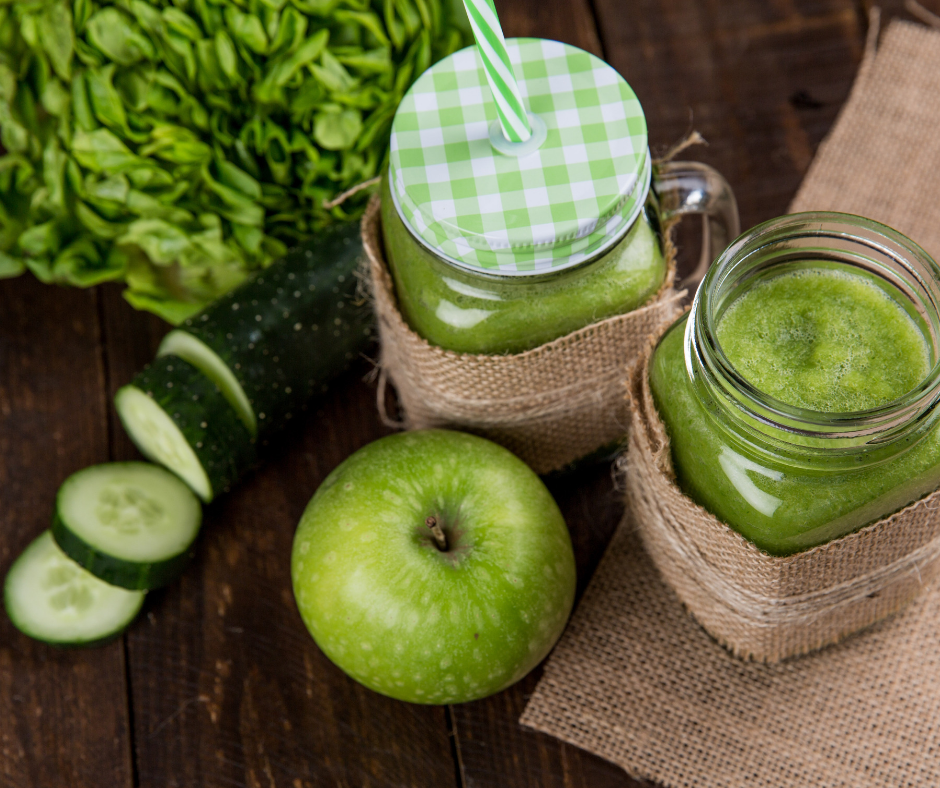
So if someone is consuming just juices for, say, 7 days or whatever it may be, what is that doing for their sugar intake? There’s a difference between us having a bowl of fruit this morning. What kinds of things are in these juices (or not), whether we make them at home or buy them, that we shouldn’t be looking past?
“That’s a great question. Excellent point. We can eat a bowl of fruit, but if you think about it, it takes several whole pieces of fruit to make just one cup of juice. So when you’re drinking that juice, your blood glucose is going to skyrocket because you’re removing all the insoluble fiber out of it (if you’re using a juicer, most of the pulp goes out) and it’s very easily absorbed in the stomach. Since there’s hardly any fiber, and no fat or protein, you’re likely going to be hungry/unsatisfied in a short amount of time. Depending on how your body reacts, you could be setting yourself up for hyperglycemia and then subsequent hypoglycemia. There’s a difference between whole fruit and pressed fruit juice. There’s a huge difference.”
So the blood glucose levels, that’s what’s going with hyperglycemia / hypoglycemia?
“Yeah! Most of us, if we’re healthy, we have a functional pancreas and we aren’t insulin resistant. But some people who have issues with that might have food with refined carbs like crackers, cookies or juice or something that is easily absorbed in the stomach, that doesn’t have a lot of fat, fiber or protein, and that just skyrockets blood sugar (hyperglycemia). And some people have the opposite problem where their blood sugar drops like crazy a couple hours after a refined-carb snack (hypoglycemia). To avoid all of that mess, I like to tell people to eat a carb with a protein or a fat and that’s what slows down that glucose “rollercoaster” as I call it (fruit and nuts, peanut butter and a banana, cheese and crackers, hummus and carrots, etc). Or, just eat the damn apple! (Without juicing it – excuse my language).”
Q: In your opinion, is there a sports supplement that is mostly useless with regard to actual body function and necessity? They’re expensive and most are not 3rd party tested since the FDA doesn’t regular supps, so what is something people just shouldn’t waste their time/money on?
“I think I have to preface this answer with a disclaimer… I am not a sports dietitian and I do not feel like I have a looming authority over this particular topic! I do have some opinions though…I think some supplements that are mainly harmless are BCAAs and protein powders, which are fine. I think one thing, and this sounds very basic, is that most people who get just your run of the mill multivitamin don’t need it. It’s just a lot of water soluble vitamins that you’re just going to pee out anyway. Your body takes what it needs and excretes the rest. That’s why your pee is super bright when you take vitamins. If you’re eating a healthy, well-balanced diet, you’ll get most of them from that. If you know you’re deficient in certain vitamins, like B12 or something like that, that’s totally fine, too. But a regular multivitamin is not usually necessary.”
And they should not be self-diagnosing that they don’t have b12, right.
“No, that requires blood tests. You can see your PCP and request a blood test for some of these things. Some of the more common deficiencies that Americans have is Vitamin D deficiency. If you’re a vegan or a very strict vegetarian, a lot of times you can be B12 deficient. Iron deficiency is not uncommon either. But other than that, you would have some real health issues going on, if you were deficient in Vitamin C for example, or something like that. It’s pretty ubiquitous in our diet. You don’t need to seek exogenous sources for a lot of these trace things if you’re eating right.”
Q: So, who might a multivitamin actually be good for?

“A Multivitamin would probably be good for someone who lives in a food desert (meaning places that are food insecure or have to rely on convenience stores) and doesn’t have access to a lot of fresh fruits and vegetables. Someone who has gone through bariatric (gastric bypass or weight loss) surgery will also need a specific kind of multivitamin due to anatomical changes. Also, pregnant people need vitamins, too. Fun fact: usually when people are pregnant they start taking prenatal vitamins, but that is contradictory. Prenatal is pre-pregnancy. So, women who are in the child bearing age who are sexually active, or trying to get pregnant, they should be taking a prenatal. Think about it. Spina bifida was a big problem and I don’t think we worry about it too much anymore, but it’s a birth defect that can happen when the carrying mother doesn’t have enough folic acid. That’s why a lot of prenatals have extra folic acid. Also, a lot of our cereals and grains are fortified with it now. If you look at the DRIs, pregnant chicks need significantly more amounts of vitamins and minerals in general just to grow a human! All that DNA!”
Q: With regard to water, if you’re drinking a lot each day and you’re feeling like you’re retaining a lot, what is causing this and can you fix it?”
“So salt is a really big contributor to that. For example, with people who have congestive heart failure, we teach a low salt diet because salt is like a ‘magnet’ for water. That is what holds your water weight. Look at labels. Knowing how much salt you’re having could affect that bloat feeling. On the other hand, for athletes, some salt can be a good thing. When we sweat, obviously there’s salt on our bodies, so we need to replenish that and electrolytes like sodium, potassium, and chloride. A good way to do that is getting a good sports drink that doesn’t have a lot of sugar.
Another thing to think about is the fact that 1 gram of carbs holds up to 4 molecules of water. That’s why when you cut a lot of carbs out, you lose a lot of water weight initially. Think about it, if you’re not having carbs, there’s nothing for the water molecules to grab onto. I was talking earlier about how much I love pasta! You may notice how you feel bloated after a big plate of pasta and that’s because you have all those carbs and then all those waters are gonna *Zoop*! Hang onto it. (LOL) So the idea is to have a very balanced diet and drink a lot of water. Don’t be afraid of water.”
Q: Are there any foods that cause bloating or is this a myth?
“Nah. I mean, I think it depends on who you are. For someone who might be lactose intolerant, there could be bloating. Some people who are gluten intolerant might experience bloating from gluten. It’s really more dependent on your body chemistry. I think people are generally very good at self-diagnosing that. But in general, there’s nothing.”
Q: When would you, as a dietitian, suggest fasting to someone. What for and what would it benefit? Or would you at all?
“Probably not, honestly. Maybe for a religious purpose. But no…”
I find this extremely important, folks! Intermittent Fasting is all the rage right now. The general idea is kind of silly to me, personally, because if someone were to eat nothing past dinner at 6pm or so until breakfast, that technically falls under IF. Groundbreaking, am I right…. If a registered dietitian wouldn’t even suggest “fasting”, perhaps there’s some science there. (There’s quite a bit of sarcasm here, hopefully you’re following. ;)) Everyone’s body handles scenarios differently. When you change up your habits, there’s bound to be some mental and/or physical effects, but that doesn’t mean this necessarily a legitimate process, and honestly, just because we’re slapping a fancy new label on it doesn’t mean this is a new idea.
Diet Time!
Q: What is your opinion on fad diets and is there any one in particular that would wish would just go away?
“Yeah. I really wish keto would go away. (me *jumps for joy*) Sure, low carb is probably fine for a little bit if you’re trying to cut and lose weight fast, a lot of water weight, that’s fine. Keto just kind of takes it up to the next level. Sometimes it can be unnatural for people to eat that much fat. It’s also extremely easy to mess up on keto if you don’t know what you’re doing. I will say, there are some journal articles outlining some health benefits to a ketogenic diet; I have to give credit where it’s due. I just personally do not advocate for a keto diet for anyone longer than 3 weeks or so.”

An extremely high fat diet can start thickening artery walls with fat in the long term, which is one of the reasons why doctors don’t even recommend keto for long periods of time.
“Right. I’m sure there probably are doctors out there that would recommend keto…. Maybe for seizures (there is actually great evidence for this!) but otherwise I would hope not. It’s hard to get into ketosis unless you’re really trying. Marathon runners take glucose tablets when they run long distances. They drink sports drinks with sugar or dextrose in it. We also naturally have glycogen stores. To get into ketosis, you have to rid yourself of all of your glycogen stores, and that’s hard to do because we have about 1600-2000 cals worth of this stored up in our liver and muscles. So, it’s a lot. That’s why it takes 48-72 hours to get into ketosis for a normal person. Studies have shown again and again when comparing different diets that the best macro breakdown for a cardio athlete is 60% carbs.”
Jenna popping in here again. Suzi and I later discussed some other macro breakdowns from studies and I wanted to include them to help the point!
- Most effective macros for cardio training: 60% carbs, 20% protein, 20% fat
- Most effective macros for weight training: 45% carbs, 30% protein, 25% fat
- Most effective macros for combo cardio & weight training: 55% carbs, 25% protein, 20% fat
“This is what our bodies are meant for. It’s really hard to maintain keto for a long time, too, because in my opinion, it’s not meant to be a long term thing! It’s so restrictive. You can’t enjoy an apple. Your body will go ‘woohoo glucose!'”
Q: How would you change your diet if you wanted to lose weight versus building muscle?
“For losing weight, it’s really just energy balance. Energy in vs. energy out. A good starting point is to start counting your calories. Honestly! And figuring out where you can cut some calories without being too restrictive and drinking a lot of water. You know, some of the ways to lose weight with your diet is just cutting out the sweets, unnecessary stuff, having smaller portions. Obviously exercising is extremely important too. So when you’re eating a little bit less and your activity level is greater, that’s going to catalyze weight loss. The tricky thing is when your metabolism gets accustomed to the weight loss and then you have to adjust exercise/diet once more… weight loss is hard! That is why people plateau – they continue doing the same diet/exercise after they’ve already lost 20 lbs… you gotta change it up! Confuse your body! It is especially hard if you’re an obese person. The body has so many complicated gut and lipid hormones that are seriously working against you in a state of obesity. So, it’s a hard game to play…. definitely be proactive and prevent yourself from becoming obese!
For muscle gain / weight gain, you would want to eat more and do a lot more weight bearing exercises. Eat a lot more protein, especially after you exercise.”
Q: Why do people say that fat free options of foods are bad?
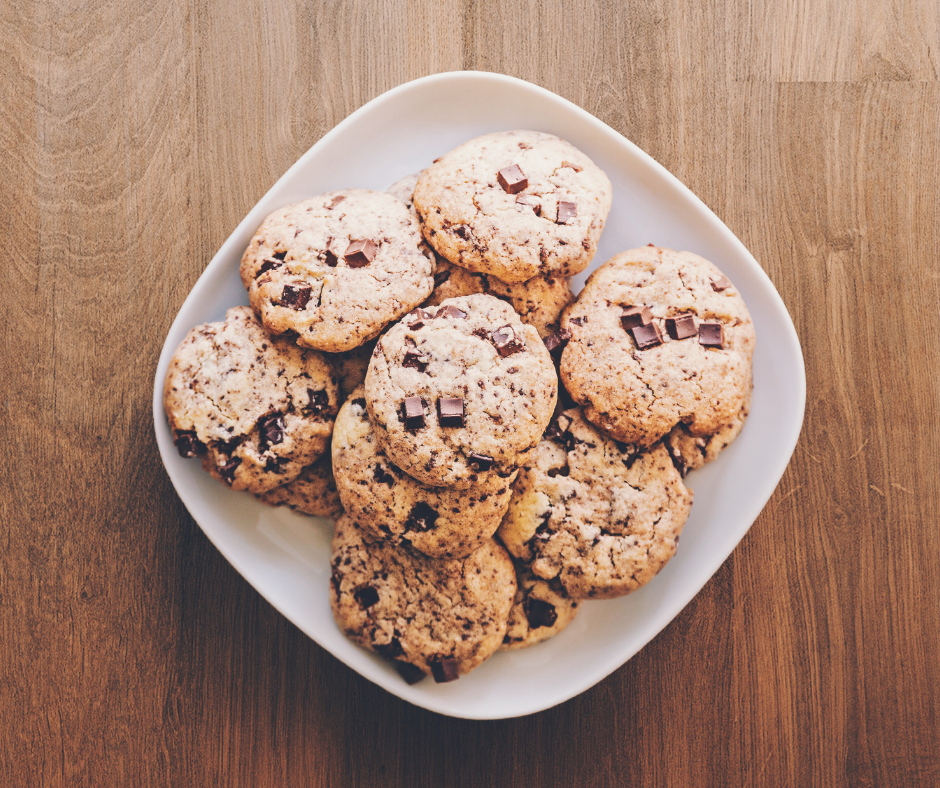
“In the food industry, back in like the 60s-70s, there was that whole thing about “fat’s bad! Get rid of it!” We’re still seeing remnants of that today. So, if I’m a food scientist and I take the fat out of something that’s naturally fatty, like cream cheese, a great example, (there’s fat free cream cheese, it’s like what’s the point, anyway…) it’s going to taste weird. In order to compensate for that, they tend to add more sugar. Another example is fat free cookies; you have to add something else to it so it’s palatable and people will buy it. That’s just how the industry works. Therefore, if you’re getting fat free everything, you’re most likely just eating a lot more carbohydrates. If you compare the label of the fat free and the regular, of yogurt for example, you’ll notice that the sugar content in the fat free is more than the fat containing one. This concept doesn’t go for everything, but generally it’s the same for sugar free options as well. They’ll have more fat. That’s just the trend.”

I thought it might be fun to ask a nutrition expert a few fun food questions to wrap things up! (Say that 3 times fast…)
Just because someone is an expert in nutrition, doesn’t mean they live a boring or restrictive food life! Moral of the story is, as always, balance! If you live an overall healthy lifestyle, you can still enjoy your favorite foods without guilt, weight gain, or confusion.
Suzi’s:
Favorite food: Spaghetti
Least fave food: Blue Cheese
Something savory: Fish
Something sweet: Angel Food Cake
Last meal on Earth: Sushi – a little bit of everything
Any trends you hope to see in the future with regard to health and nutrition?: I would love to see a lot more vegetarianism because that would mean a healthier planet. I mean, I’m not a “for real” vegetarian, but I would like to see more plant based stuff.
Weirdest thing you’ve ever eaten?: Octopus…or haggis
When did you know you wanted to be a registered dietitian?: 10th grade! *Please note that I hadn’t even finish the question before this food freak screamed out the answer.* We had to do a comprehensive research project on something that intrigued us. So I researched vitamins, because I was like “what the hell are these things anyways??” In my research, it opened a whole world of human biology and chemistry that absolutely fascinated me. Then I found out the best way to become an expert in nutrition is to become a registered dietitian and I haven’t looked back since!
 FIT ASCENT
Leave a comment